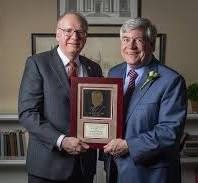
Community Contributions and Historical Legacy
Philanthropy and Historical Preservation Biography
Preserve a meaningful history of community involvement. Get a Free Estimate
A professional life may extend beyond employment, education, and research. Charitable participation, civic responsibilities, and historical preservation can provide important insight into an individual's documented interests and relationship with the wider community.
A biography covering these subjects should distinguish financial giving from volunteer service, organizational participation, advocacy, and preservation activities. Each contribution deserves an accurate description based on appropriate evidence.
We welcome requests involving philanthropic histories and community preservation. The contractor can discuss which records and authorized recollections may support the requested narrative.
Community involvement can take many forms. Organizing verified activities according to their purpose helps readers understand how they relate to an individual's broader professional history.
Philanthropic involvement may include documented financial support, volunteer activities, organizational participation, and other forms of charitable assistance. These contributions should be described according to the available evidence rather than treated as interchangeable activities. The contractor can organize confirmed information into a narrative that explains the individual's relationship with the relevant causes or organizations. Private financial information should not be disclosed without authorization. A meaningful account of charitable participation does not require publishing donation amounts or making unsupported statements about generosity.
Civic participation can connect professional experiences with the needs and interests of a community. Documented involvement in local organizations, educational initiatives, public activities, and community projects may provide useful biographical material. The narrative should distinguish formal organizational responsibilities from general participation. The contractor can use appropriate records to explain how these activities developed and why they belong within the biography. Community achievements involving multiple participants should be described without assigning unsupported individual credit.
Historical preservation may involve buildings, archival collections, photographs, documents, institutional records, and other materials that help communities understand their past. An individual's documented participation can provide a meaningful connection between personal history and broader cultural heritage. A biography can explain the nature of preservation activities, the historical materials involved, and the responsibilities actually undertaken. References to property ownership, restoration work, organizational leadership, or financial support should be included only when appropriate records establish those facts.
Family collections and institutional archives can preserve information that might otherwise become difficult to recover. Professional documents, personal correspondence, photographs, and recollections may help explain the relationship between an individual's career and community interests. The contractor can discuss how these materials might support a narrative intended for future generations. Privacy, ownership, and permission should be considered before incorporating personal records into a publicly distributed biography. Some materials may be better preserved privately while still informing the broader historical account.
Philanthropic histories can recognize documented participation without exposing confidential financial information.
Relevant local history can help explain the setting of verified civic and preservation activities.
Organized biographical records can remain useful to families, institutions, and future researchers.
Preserve documented community involvement and historical contributions in a meaningful professional narrative.
Free — no obligations
Describe the charitable, civic, and preservation experiences that should be considered for inclusion.
Collect authorized correspondence, organizational documents, photographs, and other supporting materials.
The contractor determines how verified activities can be connected to the broader professional narrative.
Confirm that the finished account respects confidential information and appropriate restrictions on personal records.
Yes. Volunteer participation can be established independently through appropriate records or authorized recollections.
Documented involvement in preserving historical properties may be relevant. The biography should accurately distinguish ownership, advocacy, funding, and other responsibilities.
Privacy preferences can be discussed before the narrative is prepared. Certain details may be omitted or described more generally when appropriate.
Clear descriptions and reliable supporting records help future readers understand the relationship between an individual and the community. Historical context can make those contributions easier to interpret.